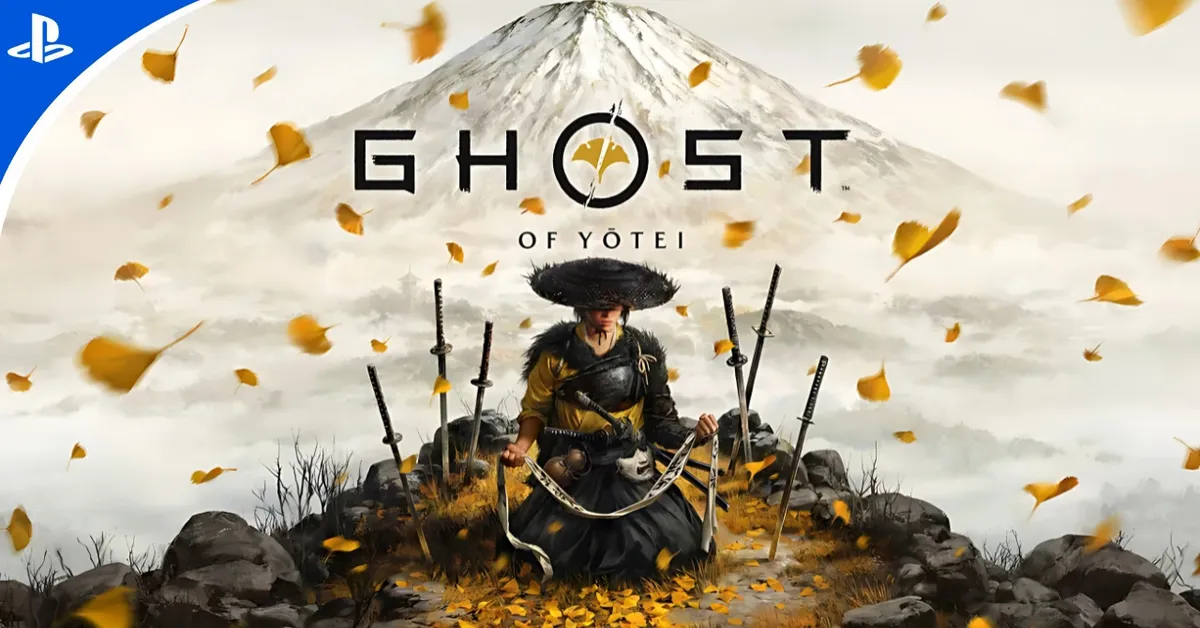
Ghost of Yotei Textures Blurry and Pixelated: Ghost of Yōtei is a visually stunning game, praised for its atmospheric environments, detailed character models, and rich textures that immerse players in its mysterious world.
However, some players have reported issues with blurry or pixelated textures, which detract from the visual experience and make the game look less polished than it should. This problem can significantly affect gameplay immersion and enjoyment, especially in a game so reliant on visual storytelling.
If you’re experiencing blurry or pixelated textures in Ghost of Yōtei, don’t worry. This comprehensive guide will explain the common causes and provide step-by-step solutions to restore crisp, high-quality graphics on your PC or console.
Why Are Textures Blurry or Pixelated in Ghost of Yōtei?
Blurry or pixelated textures usually result from problems related to texture resolution, graphic settings, hardware limitations, or software glitches. Here are some common reasons:
-
Low texture quality settings in the game
-
Incorrect resolution or scaling settings
-
Outdated or corrupted graphics drivers
-
Game files corrupted or missing
-
Inadequate VRAM (video memory) on your GPU
-
Incorrect or outdated game patches/updates
-
Downsampling or supersampling issues
-
Texture streaming problems
-
Improper display or monitor settings
-
Use of mods or third-party software affecting textures
Understanding the cause can help you apply the right fix.
Minimum & Recommended Specs for Best Visual Quality in Ghost of Yōtei
Before troubleshooting, ensure your PC meets at least the recommended specs to handle high-quality textures:
| Component | Minimum Requirement | Recommended Requirement |
|---|---|---|
| OS | Windows 10 64-bit | Windows 10/11 64-bit |
| CPU | Intel Core i5-2400 / AMD FX-6300 | Intel Core i7-8700K / AMD Ryzen 5 3600 |
| RAM | 8 GB | 16 GB |
| GPU | NVIDIA GTX 660 / AMD Radeon HD 7870 | NVIDIA GTX 1070 / AMD RX 5700 |
| VRAM | 2 GB | 6 GB or more |
| Storage | 50 GB | SSD recommended |
| DirectX | DirectX 11 | DirectX 12 |
If your hardware falls below these, blurry textures may be unavoidable unless you reduce settings.
Step-by-Step Fixes for Blurry and Pixelated Textures in Ghost of Yōtei
1. Adjust In-Game Graphics Settings
The simplest cause of blurry textures is low in-game texture quality:
-
Set Texture Quality to High or Ultra:
In the graphics settings menu, increase texture quality to the highest level your system can handle without performance drops. -
Increase Texture Filtering:
Enable or increase anisotropic filtering to improve texture clarity at angles. -
Disable or Adjust Resolution Scaling:
If resolution scaling is enabled below 100%, it can blur textures. Set scaling to 100% or higher. -
Check Shadow and Post-Processing Settings:
Sometimes, effects like motion blur or depth of field can reduce sharpness.
2. Run the Game at Native Resolution
Always run Ghost of Yōtei at your monitor’s native resolution (e.g., 1920×1080, 2560×1440) to avoid blurry textures caused by upscaling or downscaling.
-
Go to graphics settings and confirm the resolution matches your monitor’s native resolution.
3. Update Graphics Card Drivers
Outdated or corrupted GPU drivers can affect texture rendering:
-
For NVIDIA GPUs, download drivers from NVIDIA’s official website or use GeForce Experience.
-
For AMD GPUs, get the latest drivers at AMD’s support site.
-
For Intel Integrated Graphics, use the Intel Driver & Support Assistant.
Make sure to perform a clean installation of the drivers to avoid leftover conflicts.
4. Verify and Repair Game Files
Corrupted or missing game files may cause texture issues:
-
Steam: Right-click Ghost of Yōtei → Properties → Local Files → Verify Integrity of Game Files.
-
Epic Games Launcher: Click the three dots next to the game → Verify.
This process will detect and replace any problematic files.
5. Increase VRAM Allocation or Reduce VRAM Usage
If your GPU has limited VRAM, textures may be compressed or downgraded to fit into available memory:
-
Close Background Apps: Reduce VRAM usage by closing unnecessary programs.
-
Lower Texture Quality: If you cannot increase VRAM, reduce texture quality to avoid stuttering and blurring.
-
Upgrade GPU: Consider upgrading if your current GPU has less than 4 GB VRAM.
6. Disable or Adjust Texture Streaming (If Available)
Texture streaming loads textures dynamically, sometimes causing lower-quality textures initially:
-
Look for texture streaming settings in-game or config files and disable or adjust them.
7. Adjust Windows and Display Settings
-
Set Display Scaling to 100%:
High display scaling can blur in-game textures. Go to Settings → System → Display and set scaling to 100%. -
Set Monitor to Its Native Resolution:
Confirm your monitor is set to native resolution in Windows display settings. -
Disable Windows HDR:
HDR can sometimes cause texture issues if not properly supported.
8. Disable Mods or Third-Party Texture Packs
Mods can conflict with texture files:
-
Remove or disable mods and custom texture packs.
-
Run the game vanilla to see if textures improve.
9. Update the Game to the Latest Version
Developers often fix texture-related bugs in patches:
-
Always keep Ghost of Yōtei updated via your platform’s launcher.
10. Use NVIDIA Control Panel or AMD Radeon Settings to Improve Texture Quality
For NVIDIA:
-
Open NVIDIA Control Panel → Manage 3D Settings → Program Settings → Select Ghost of Yōtei.
-
Set Texture filtering – Quality to High Quality.
-
Enable Anisotropic filtering and set to 16x.
For AMD:
-
Open Radeon Software → Gaming → Ghost of Yōtei → Graphics.
-
Set Texture Filtering Quality to Performance or Quality (try Quality).
-
Enable Anisotropic Filtering.
11. Adjust Anti-Aliasing Settings
Anti-aliasing smooths edges but can also affect texture sharpness:
-
Experiment with turning AA on/off or changing the AA method (MSAA, FXAA, TAA) to find the best balance.
12. Reinstall the Game (Last Resort)
If all else fails, a fresh install can resolve persistent texture issues.
Additional Tips for Console Players
PS4 and PS5
-
Clear system cache by turning off the console, unplugging it for a few minutes, then restarting.
-
Make sure the game is installed on internal storage, not an external USB drive (which can slow loading and texture streaming).
-
Ensure the console’s firmware is updated.
Xbox Series X|S and Xbox One
-
Power cycle your console to clear cache.
-
Check for game and system updates.
-
Prefer installing games on the internal SSD for better streaming performance.
Nintendo Switch
-
Restart your Switch.
-
Close background apps.
-
Ensure game and system software are up to date.
-
Keep the game installed on the internal memory or a high-speed microSD card.
FAQs: Ghost of Yōtei Textures Blurry and Pixelated
Q1: Why are textures blurry in Ghost of Yōtei even at high settings?
This could be caused by running the game at a resolution lower than your monitor’s native resolution, outdated drivers, or texture streaming issues.
Q2: How do I check my VRAM usage?
You can monitor VRAM usage using tools like MSI Afterburner or GPU-Z while playing.
Q3: Does increasing anisotropic filtering improve texture quality?
Yes, anisotropic filtering improves texture clarity at oblique angles, reducing blur on surfaces like roads or walls.
Q4: Can mods cause blurry textures?
Yes, mods or custom texture packs can conflict with the game’s files, causing graphical glitches.
Q5: Should I disable anti-aliasing to fix pixelated textures?
Not necessarily. Disabling AA might sharpen textures but can introduce jagged edges. Experiment to find the best setting.
Q6: Can a higher resolution monitor fix blurry textures?
A higher resolution monitor displays more pixels and can render sharper images if your GPU and game settings support it.
Q7: Why do textures load blurry at first and then become clear?
This is a texture streaming technique to save VRAM. Lower-resolution textures load first, then high-res textures replace them.
Q8: How do I know if my GPU can handle high texture quality?
Check your GPU’s VRAM and compare it with the game’s recommended specs. Less VRAM means lower texture quality may be necessary.
Q9: Does playing on a TV instead of a monitor affect texture quality?
Yes, TVs often use scaling and post-processing that can blur textures. Using “Game Mode” on the TV can help reduce this.
Q10: Will reinstalling the game fix blurry textures?
Reinstalling can fix corrupted files causing texture problems but won’t improve performance if hardware is insufficient.
Conclusion
Blurry and pixelated textures in Ghost of Yōtei can be frustrating, but most issues stem from modifiable settings or software problems. By adjusting in-game graphics settings, ensuring you’re running the game at native resolution, updating your drivers, and verifying game files, you can restore the game’s stunning visual quality.
Hardware limitations such as insufficient VRAM can also impact texture quality, so be mindful of your PC or console’s capabilities. For console users, keeping system software updated and managing storage helps improve texture streaming and reduce blurriness.