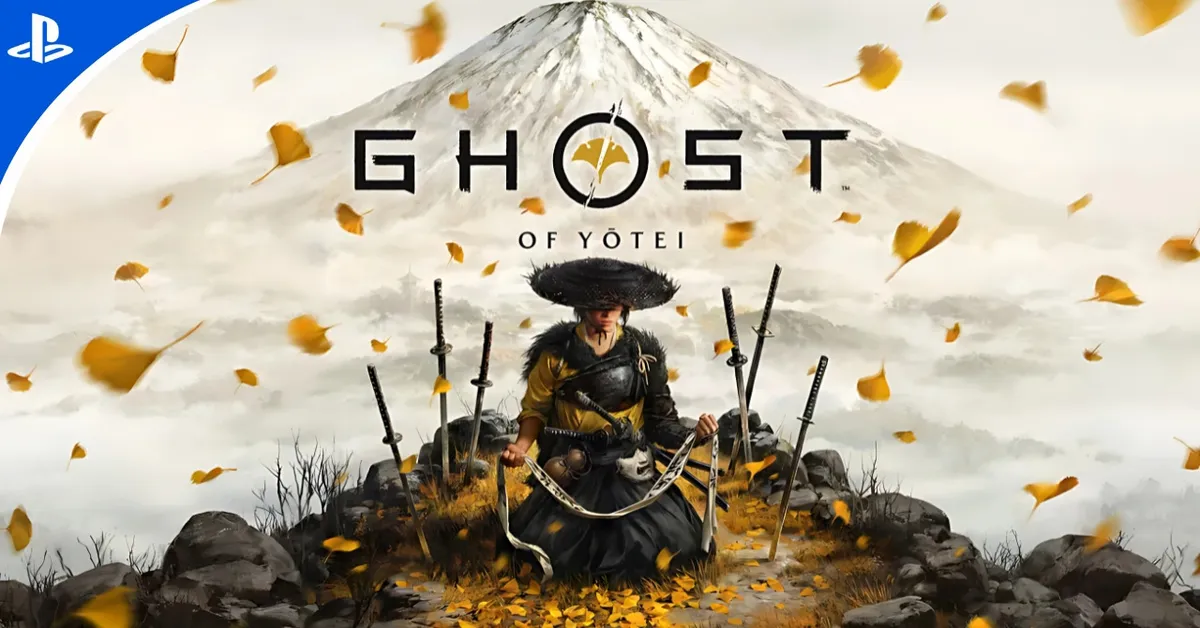
Ghost of Yotei Low FPS or FPS Drops: Ghost of Yōtei offers a captivating and visually rich gaming experience. However, many players face frustrating issues with low FPS (frames per second) or FPS drops during gameplay.
Low FPS can cause the game to feel sluggish, unresponsive, and less enjoyable. FPS drops, where the frame rate suddenly dips, can disrupt the immersive flow and impact your gaming performance.
This article dives into the common causes behind low FPS and FPS drops in Ghost of Yōtei, and provides you with detailed steps to fix these issues on PC and consoles such as PS5, Xbox Series X|S, and Nintendo Switch. Whether you’re a casual gamer or a hardcore enthusiast, these tips will help you achieve smoother gameplay.
What is FPS and Why Does It Matter?
FPS, or frames per second, is the number of images your game displays each second. A higher FPS leads to smoother animations and better responsiveness. Most gamers aim for 60 FPS for a fluid experience, although some prefer 30 FPS for stability.
Low FPS means fewer frames rendered per second, causing choppy visuals and delayed inputs. FPS drops refer to sudden dips from a stable FPS rate, which can be jarring during gameplay.
Common Causes of Low FPS and FPS Drops in Ghost of Yōtei
-
Inadequate hardware or outdated components
-
Unoptimized in-game graphics settings
-
Outdated or corrupt drivers, especially GPU drivers
-
Background processes consuming CPU, RAM, or disk resources
-
Thermal throttling due to overheating hardware
-
Poor storage performance (slow HDD vs SSD)
-
Network latency (for multiplayer mode)
-
Game bugs or software conflicts
-
Improper power settings on PC or consoles
How to Fix Low FPS and FPS Drops in Ghost of Yōtei: Step-by-Step Guide
Step 1: Verify System Requirements
Make sure your device meets the minimum or recommended system requirements for the game.
| Component | Minimum | Recommended |
|---|---|---|
| CPU | Intel i5-8400 / Ryzen 3 1200 | Intel i7-8700K / Ryzen 5 3600 |
| GPU | NVIDIA GTX 1060 / RX 580 | NVIDIA RTX 2070 / RX 5700 XT |
| RAM | 8 GB | 16 GB |
| Storage | SSD recommended | SSD |
| OS | Windows 10 64-bit | Windows 10/11 64-bit |
If your hardware falls below these specs, expect lower performance.
Step 2: Update Graphics Drivers and System Software
Outdated GPU drivers are a common cause of low FPS.
-
Visit NVIDIA, AMD, or Intel websites to download the latest drivers.
-
Update motherboard chipset and audio drivers if available.
-
Install the latest Windows or console system updates.
-
Restart your device after updating.
Step 3: Optimize In-Game Graphics Settings
Adjusting graphics settings can significantly improve FPS.
-
Lower resolution to native or slightly below.
-
Reduce or turn off anti-aliasing (smooths edges but is performance-heavy).
-
Lower texture quality, shadows, and effects settings.
-
Disable ray tracing or ambient occlusion if present.
-
Turn off V-Sync or enable FPS limiters to stabilize framerate.
-
Enable performance mode if the game or platform supports it.
Step 4: Close Background Applications and Disable Overlays
Background apps consume CPU, memory, and GPU resources.
-
Use Task Manager (Windows: Ctrl+Shift+Esc) to close unnecessary applications.
-
Disable overlays like Discord, Steam, or GeForce Experience.
-
Temporarily disable antivirus scans during gaming sessions.
Step 5: Check for Thermal Throttling and Overheating
Overheating can reduce CPU/GPU performance, causing FPS drops.
-
Monitor temperatures using software like HWMonitor or MSI Afterburner.
-
Clean dust from your PC or console vents.
-
Improve airflow with additional fans or cooling pads.
-
Avoid placing laptops on soft surfaces that block vents.
Step 6: Use an SSD and Manage Storage Space
Ghost of Yōtei benefits from fast disk access.
-
Install the game on an SSD rather than a traditional HDD.
-
Ensure at least 20% free space on your drive for optimal performance.
-
Defragment your HDD or optimize your SSD regularly.
-
Avoid running other disk-intensive processes during gameplay.
Step 7: Adjust Power Settings (PC)
Ensure your system is set for maximum performance.
-
Open Control Panel → Power Options → Select High Performance.
-
Disable power-saving features that throttle CPU or GPU speeds.
-
On laptops, always plug in during gameplay for full performance.
Step 8: Optimize Network for Multiplayer FPS Stability
For online play, network lag can feel like FPS drops.
-
Use a wired Ethernet connection instead of Wi-Fi.
-
Restart your router/modem to refresh connections.
-
Close bandwidth-heavy apps (streaming, torrents).
-
Enable QoS (Quality of Service) in router settings to prioritize gaming traffic.
Step 9: Verify and Repair Game Files
Corrupted or missing files can cause performance hiccups.
-
On Steam: Right-click Ghost of Yōtei → Properties → Local Files → Verify Integrity of Game Files.
-
On other platforms, reinstall or repair the game as needed.
Step 10: Disable Overclocking or Reset to Stock Clocks
Overclocked CPUs or GPUs might cause instability.
-
Revert to default clock speeds in BIOS or overclocking software.
-
Test game performance afterward.
Step 11: Reinstall the Game
If all else fails, a clean reinstall might fix underlying issues.
-
Backup save files.
-
Uninstall Ghost of Yōtei completely.
-
Delete leftover files.
-
Download and install the latest version.
Console-Specific Tips for Improving FPS
PlayStation 5
-
Rebuild the console database by booting into Safe Mode (hold power button until second beep) and selecting “Rebuild Database.”
-
Ensure system firmware and game updates are installed.
-
Manage storage and free up space.
-
Use Performance Mode in game settings if available.
Xbox Series X|S
-
Perform a full power cycle (hold power button 10 seconds until off, then restart).
-
Clear cache by unplugging power for 30 seconds.
-
Keep system and game updated.
-
Free up storage and uninstall unused games/apps.
Nintendo Switch
-
Use Performance Mode if available in system or game settings.
-
Keep system software and game updated.
-
Restart the console to clear memory.
-
Free up storage space to ensure smooth game performance.
Borderlands 4 Low FPS Drops on PC and Boost Performance: How to FIX
Overwatch 2 FPS Drop on Nintendo Switch | Increase Performance: How to FIX
FAQs: Ghost of Yōtei Low FPS or FPS Drops
Q1: What is considered a good FPS for Ghost of Yōtei?
Ideally, 60 FPS for smooth gameplay, but 30 FPS is acceptable on lower-end hardware.
Q2: Why does my FPS drop suddenly during the game?
Sudden FPS drops can be caused by overheating, background processes, or resource-heavy scenes in the game.
Q3: Will upgrading my GPU help fix FPS issues?
Yes, a more powerful GPU can handle higher graphics settings and provide better FPS.
Q4: Does lowering resolution impact FPS significantly?
Yes, reducing resolution decreases GPU workload and often improves FPS drastically.
Q5: How do I check if my CPU or GPU is overheating?
Use monitoring tools like HWMonitor or MSI Afterburner to view real-time temperatures.
Q6: Can disabling V-Sync improve FPS?
Disabling V-Sync may increase FPS but can cause screen tearing. Use based on your preference.
Q7: My game runs well offline but lags online—why?
Network latency or unstable internet connections can cause perceived lag online.
Q8: Are game patches released to improve performance?
Yes, developers often release patches that fix bugs and optimize game performance.
Conclusion
Low FPS and FPS drops in Ghost of Yōtei can stem from a variety of issues including hardware limitations, outdated drivers, improper settings, overheating, and network problems. By following the step-by-step solutions outlined in this guide, you can significantly improve your gaming performance and enjoy a smoother, more immersive experience.
Always ensure your system and game are up to date, optimize your graphics and power settings, manage background applications, and maintain your hardware to prevent thermal throttling. Console users should leverage system tools and settings to maximize performance.
If problems persist, contacting official support or consulting with the community forums may uncover additional device-specific solutions.
If you want help troubleshooting your specific setup or have questions about advanced optimization, feel free to ask!